 Guide
White discharge (safaid pani, likoria): the reasons, what's normal before a period or in pregnancy, signs of infection, when to see a doctor.

Burning when you pee? Here's what causes a urine infection, which signs need a doctor today, and how to get the right test.
Book an online consult
Rs 499, up to 1 hour with Dr. Ayesha. Two quick steps.
Quick answer
Most UTIs in women happen when bacteria from the bowel get into the urethra and travel up to the bladder. Burning when you pee, going often, cloudy or bloody urine and low tummy pain are common signs. See a doctor promptly if you're pregnant, have a fever or back pain, see blood, or aren't better in 2 days.
Most urinary tract infections (UTIs) in women start when bacteria from poo enter the urethra and reach the bladder, says the National Health Service (NHS).
The urethra is the short tube you pee through. The NHS is the UK's health service.
A UTI can affect the urethra, the bladder or the kidneys. A bladder infection is also called cystitis. Women get more UTIs because the urethra is short and close to the back passage, says the US Centers for Disease Control and Prevention (CDC).
One Karachi hospital study tested urine from 184 adults with a UTI. It was published in 2017 in the Pakistan Journal of Medical Sciences. Of them, 126 were women and 58 were men.
They came from low-income families and were seen at one hospital from December 2014 to March 2015. A gut germ called E. coli caused 59% of the infections.
The NHS and CDC list these risks:
MedlinePlus, from the US National Library of Medicine, adds diabetes. The CDC says a UTI is not a sexually transmitted infection. Getting one doesn't mean anyone did anything wrong.
After menopause, UTIs get more common because menopause can change the normal balance of bacteria in the genital area, the CDC says. MedlinePlus and the NHS also list menopause as a risk.
Older women may not get burning at all. The NHS says some older people, such as those with memory problems, may show new confusion, worse leaking of urine or new shivering instead. MedlinePlus says these are often the only signs in older people.
So if your mother or nani suddenly seems confused, don't put it down to age. Confusion is an emergency: go to the nearest hospital emergency now, or call Edhi on 115.
For repeat UTIs after menopause, the NHS says a doctor may suggest a vaginal oestrogen cream, tablet or ring. Our guide to menopause symptoms covers the other changes.
The main UTI symptoms in women are burning when you pee, needing to pee often or urgently, and cloudy or bloody urine, says the NHS.
The NHS lists these signs too:
Dark or smelly urine on its own isn't always a UTI. The NHS says it can just mean you aren't drinking enough water.
A UTI mainly changes how peeing feels and how your urine looks.
Has your discharge changed, or do you feel itchy or sore? The NHS says that can point to an infection such as thrush or bacterial vaginosis, and it warns against self-diagnosis. Read more on vaginal infections and white discharge (safaid pani).
A bladder infection causes burning and tummy pressure, while a kidney infection adds fever, chills, back pain and vomiting, say the CDC and the NHS. A kidney infection needs an urgent doctor's visit.
| Bladder infection (cystitis) | Kidney infection (pyelonephritis) | |
|---|---|---|
| Main signs | Burning when you pee, pressure low in the tummy (CDC) | Fever, chills, pain in the lower back or side (CDC) |
| Also common | Peeing often, cloudy urine (NHS) | Feeling sick or vomiting, aching muscles (NHS) |
| How serious | More common, less serious (CDC) | Less common, more serious (CDC) |
| What to do | See a doctor if it's worse or not better in 2 days (NHS) | Ask for an urgent appointment (NHS) |
The NHS says a kidney infection often starts as cystitis. Left untreated, it can lead to sepsis, a life-threatening reaction to infection.
See a doctor promptly if you're pregnant or have diabetes, fever, back pain or blood in your urine. Also go if you're no better 2 days after starting treatment.
That's NHS advice. Check this list. Any one is enough:
Emergency: is someone confused, very drowsy or having trouble speaking? The NHS treats that as an emergency.
Go to the nearest hospital emergency now, or call Edhi on 115. Don't drive yourself, and don't wait for an online reply.
A UTI is tested with a urine sample, though the NHS says a test isn't always needed when symptoms are clear. Your doctor decides if you need one, and which one.
A culture takes longer, but it can matter here. In that Karachi study, nearly half the germs resisted most of the usual antibiotics. In 3 of the 184 patients, the germ resisted every antibiotic tested. That's one hospital's patients, not every woman in Karachi.
Labs usually ask for a clean-catch, midstream sample, as the Karachi study did. Ask the lab how to collect it.
A doctor treats a UTI with an antibiotic chosen for you, or sometimes with no antibiotic at first, the NHS says. Leftover or self-bought antibiotics aren't safe shortcuts, because the wrong one may not work.
The NHS says a doctor may:
If you're prescribed antibiotics, take every dose, even if you feel better early. We don't name medicines or doses here, and you shouldn't pick one from a website.
The Karachi study authors name the causes of resistance here. They point to easy over-the-counter access to antibiotics in our region and to unjustified prescriptions by quacks and doctors. They also point to people not finishing the full course.
A tablet left from last time, or one a neighbour used, may not work on your germ.
The CDC adds that antibiotics have side effects, including severe allergic reactions and drug-resistant infections. A test first, then the right medicine, is the safer route.
The NHS suggests paracetamol for pain and fever, rest, and enough fluids to pass pale urine through the day. Cut back on fruit juice, coffee and alcohol, which can irritate the bladder.
Not drinking enough is on the NHS list of things that raise UTI risk, and some studies abroad link warmer days to slightly more UTIs. But no source we found proves that heat itself causes a UTI.
A 2022 study of adults in California looked at more than 787,000 UTI cases. UTIs in women rose about 3% as days went from cold to mild. They didn't rise any further on the hottest days.
The researchers say this adds nuance to the old idea that dehydration is the cause.
On long, hot Karachi days, it's easy to drink less and hold your pee.
The NHS advice is simple. Drink plenty of fluids, mostly water, so you don't feel thirsty. Don't hold your pee when you need to go. If you're expecting, read our guide to pregnancy in hot weather.
If you're pregnant and think you have a UTI, contact a doctor urgently, today if you can. The NHS lists pregnancy as a reason for an urgent appointment, not self-care or a pharmacy visit.
Don't take leftover tablets: a doctor decides what's safe for you and the baby. The NHS also says to ask a doctor before using cranberry or D-mannose products in pregnancy. Our full guide to UTIs during pregnancy covers the signs, the risks, the tests and the emergencies. Our pregnancy care page covers the wider picture.
Lower your UTI risk by drinking plenty of water, wiping front to back, peeing soon after sex and keeping the genital area clean and dry.
Those are NHS tips. It also suggests:
The CDC adds showers instead of baths, and no douches, sprays or powders in the genital area.
Cranberry won't treat a UTI that has already started, the NHS says. For women who keep getting cystitis, it says daily cranberry or D-mannose products may help prevent it. But they can contain a lot of sugar.
If you get 2 UTIs within 6 months, or 3 within 12 months, the NHS calls them recurrent UTIs. It says you should see a doctor instead of treating each one yourself.
The NHS says a doctor may:
A urine culture helps most here, because it shows which germ keeps returning. Bring your old reports, since they show the pattern.
The NHS adds that sometimes symptoms last after treatment and tests miss the infection. If that's you, ask for a referral instead of buying another course.
An online consult lets you talk through your UTI privately, check warning signs, plan a urine test and go through the result, for Rs 499.
It's by video, call or WhatsApp, for up to 1 hour.
Dr. Ayesha Jawed, MBBS, postgraduate trainee in Obstetrics and Gynaecology (CPSP), can:
She reviews your reports, and you can share clear photos of them on WhatsApp. She can send a prescription when it's safe to do so online.
What she can't do online: take a urine sample or examine you. You give the sample at a lab.
If you need an exam or hospital care, she'll tell you where to go. Fever with back pain, vomiting or confusion can't wait: go to the nearest hospital emergency.
Consults run Monday to Saturday, 9 am to 9 pm, on WhatsApp or call at +92 334 2382368. You can book an appointment, read about our online consultations, or see the consult fee and payment options (JazzCash, Easypaisa or bank transfer). UTIs are one of the everyday problems our women's health services cover.
Four simple steps from your first message to your plan. It's the same for every topic.
Message on WhatsApp
Send a message to +92 334 2382368, or use the form on this page.
Pick a time
Choose a time from Monday to Saturday, 9 am to 9 pm.
Talk by video, phone or WhatsApp
Talk to Dr. Ayesha for up to 1 hour, in the way that suits you.
Get your plan
Leave with clear next steps, and a prescription when it's safe.
She reviews reports you share.
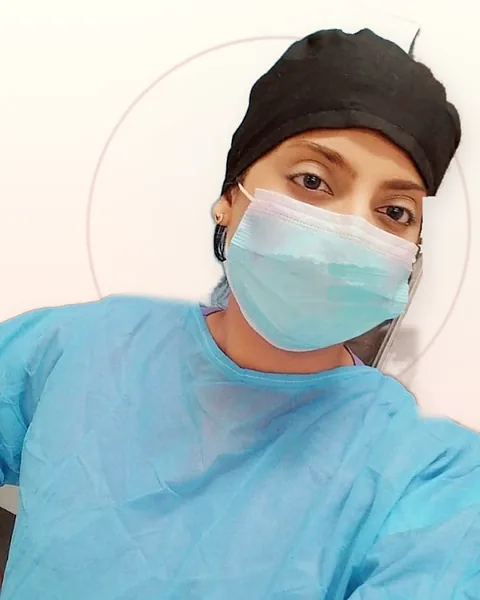
Dr. Ayesha Jawed, MBBS, training in Obstetrics and Gynaecology (CPSP)
PMDC 113388-P. PMDC lists her as Ayesha Javaid. How to check a doctor's registration.
Something else on your mind? WhatsApp +92 334 2382368, Monday to Saturday, 9 am to 9 pm.
No. The CDC says sex can raise the risk of a UTI, but a UTI is not a sexually transmitted infection. Peeing soon after sex and washing with water before and after sex are NHS tips to lower the risk.
No. The NHS says there's no evidence cranberry drinks ease symptoms or treat a UTI that has already started. For repeat cystitis, daily cranberry products may help prevent it, but they're often high in sugar. Ask a doctor first if you're pregnant.
A urine culture grows the germ from your urine and shows which antibiotic works on it, says MedlinePlus. It helps most when UTIs keep coming back or treatment hasn't worked. One Karachi hospital study found many germs resisted common antibiotics.
Burning when you pee is the most common sign of a UTI, usually from bowel bacteria reaching the bladder, says the NHS. It can also come with some vaginal infections. With fever, back pain or blood in the urine, see a doctor the same day.
Sometimes a mild one settles. The NHS says a doctor may ask you to wait 48 hours before antibiotics in case it goes away. But see a doctor if you're pregnant, have fever, back pain or blood, or aren't better in 2 days.
Go to the nearest hospital emergency now, or call Edhi on 115, if someone is confused, very drowsy or can't speak properly. Fever, shivering, back pain, vomiting or no pee all day need an urgent doctor's visit, says the NHS.
Don't wait, and don't take leftover tablets. The NHS lists pregnancy as a reason for an urgent doctor's appointment with UTI symptoms. A urine test can confirm it, and a doctor decides the treatment. Our guide to UTIs during pregnancy explains more.
GuideWhite discharge (safaid pani, likoria): the reasons, what's normal before a period or in pregnancy, signs of infection, when to see a doctor.
 Service
Vaginal Infection Treatment in Karachi
Vaginal infection treatment depends on the cause: thrush, BV or trichomoniasis.
 Guide
Pelvic Inflammatory Disease (PID)
PID symptoms, causes beyond sex, tests, antibiotics and the fertility risk, plus the signs that need a hospital now.
 Infections
A urine infection in pregnancy can be silent. Here are the signs, why doctors treat it early, and when to go to hospital.
Awaiting medical review by Dr. Ayesha Jawed. Written from the sources listed here. General information, not a diagnosis.
Last updated 19 November 2026
Dr. Ayesha JawedMBBS, training in Obstetrics and Gynaecology (CPSP)
Online consult, Rs 499, up to 1 hour. Private, from home, anywhere in Pakistan. Fill in two short steps and WhatsApp opens with your details ready.
Book your consult
Rs 499, up to 1 hour with Dr. Ayesha. Two quick steps.
In an emergency, go to the nearest hospital or call Edhi 115.
This page is coming soon.