 Guide
White discharge (safaid pani, likoria): the reasons, what's normal before a period or in pregnancy, signs of infection, when to see a doctor.

Online consult across Pakistan
Itching, a smell or a change in discharge? Here's how the common infections differ, why the cause decides the medicine, and when to act.
Book an online consult
Rs 499, up to 1 hour with Dr. Ayesha. Two quick steps.
Time with a female doctor
Up to 1 hour with Dr. Ayesha, by video, phone or WhatsApp.
Your reports reviewed
Share past tests, scans or prescriptions, and she'll go through them with you.
A clear plan
What to do next, and which tests may help.
A prescription when it's safe
If you need to be seen in person, she'll tell you plainly.
Quick answer
A vaginal infection is treated according to its cause, so the first step is a test, not a cream from the pharmacy. Thrush needs antifungal medicine, while bacterial vaginosis and trichomoniasis need antibiotics. Some infections need your partner treated too. In pregnancy, always ask a doctor before using any medicine.
The signs are itching or soreness, a change in discharge, and pain when you pee. The discharge may change in colour, smell or feel, or there may be more of it. This is from the National Health Service (NHS) in the UK.
Some infections show no signs at all. The NHS says half of women with bacterial vaginosis (BV) have no symptoms. Many people with trichomoniasis or chlamydia don't notice anything either.
Most white discharge (safaid pani or likoria) is healthy. Our guide to normal and abnormal discharge shows what normal looks like and what each colour can mean.
Burning when you pee can also come from a urine infection. Our UTI in women page explains how to tell the two apart.
Thrush is a fungus, bacterial vaginosis is a bacteria imbalance, and trichomoniasis is a sexually transmitted infection (STI). Each needs a different medicine, says the NHS. Here's how they compare.
| Infection | What causes it | Passed on by sex? | Type of treatment |
|---|---|---|---|
| Thrush (yeast infection) | A fungus called candida, which is normally harmless | Not classed as an STI | Antifungal medicine |
| Bacterial vaginosis (BV) | A change in the normal bacteria of the vagina | Not classed as an STI, but sex can trigger it | Antibiotic tablets, gel or cream |
| Trichomoniasis | An infection passed on through vaginal sex or shared sex toys | Yes | Antibiotics, for you and your partner |
| Chlamydia or gonorrhoea | Bacteria | Yes | Antibiotics, and partners are tested |
| Genital herpes | A virus | Yes | Antiviral medicine eases symptoms, but there is no cure |
The usual clues are thick white discharge with itching for thrush, a fishy smell for BV, and yellow-green discharge for trichomoniasis. Signs overlap, so this is a clue, not a diagnosis. The NHS says don't self-diagnose.
The mix of infections can change from place to place. A 2005 study in the Journal of the Pakistan Medical Association tested 500 women at one hospital gynaecology clinic in Quetta. It found BV in 30.7% of them, thrush (candidiasis) in 10% and trichomoniasis in 7.2%.
That's one hospital in one city, so it can't tell you what's most common in Karachi. It does show that thrush isn't always the answer.
No single cream or tablet works for every vaginal infection, because the right medicine depends on the cause. The NHS says thrush needs antifungal medicine. BV and trichomoniasis are treated with antibiotics.
A thrush cream won't treat BV, and an antibiotic won't treat thrush. Antibiotics can even make thrush more likely, says the NHS. So the "strongest antibiotic" isn't the answer to an itch that may be a fungus.
Treatment may be a tablet you swallow, a pessary (a tablet put inside the vagina), or a cream or gel.
We don't name medicines or doses on this site. The doctor picks the medicine, the form and the length of treatment once the cause is known. She first asks about pregnancy, breastfeeding and other medicines you take.
You can message Dr. Ayesha first. You don't need to describe your symptoms in the message.
No. Leftover tablets, an old prescription or a friend's cream may treat a different infection from yours. The NHS and MedlinePlus both say a first bout of thrush symptoms needs a doctor.
You can treat thrush yourself only if a doctor has diagnosed it before, says the NHS. It usually clears within 7 to 14 days of starting treatment.
The NHS says to see a doctor instead if:
The NHS says you can buy antifungal medicine at a pharmacy if a doctor has diagnosed thrush before. It also says not to use it more than twice in 6 months without speaking to a pharmacist or doctor.
MedlinePlus adds that home treatment is only reasonable when symptoms are mild, there's no pelvic pain or fever, and you aren't pregnant.
One more NHS warning: antifungal creams can damage condoms and diaphragms, so your contraception might not work during treatment.
MedlinePlus says to contact a doctor when symptoms don't improve with medicine from the shop, get worse, or come back right after treatment. Repeated thrush can be a sign of diabetes or a weak immune system.
The NHS says antibiotics, poorly controlled diabetes, pregnancy and a weak immune system make thrush more likely.
Bacterial vaginosis is a change in the natural balance of bacteria in the vagina. The NHS says it's usually treated with antibiotic tablets, gels or creams from a doctor.
Its main sign is a thin, greyish-white discharge with a strong fishy smell, especially after sex. BV isn't an STI, says the NHS. But sex, a new partner, an IUD (a contraceptive device) and perfumed products near the vagina make it more likely.
Women who have never had sex can get BV too, says the NHS. It's nothing to feel ashamed of.
Trichomoniasis, chlamydia and gonorrhoea are treated with antibiotics, and the NHS says your current and recent sexual partners need to be tested or treated too.
The World Health Organization (WHO) says 4 STIs can be cured: syphilis, gonorrhoea, chlamydia and trichomoniasis. It estimates 374 million new infections with these 4 in 2020 among people aged 15 to 49. It says most curable STIs cause no symptoms.
For trichomoniasis, the NHS says not to have sex until at least 1 week after you and your partner finish treatment. For gonorrhoea, you need a repeat test about a week after starting treatment. Genital herpes has no cure, but antiviral medicine can stop the symptoms getting worse.
Left untreated, chlamydia and gonorrhoea can spread to the womb, tubes and ovaries. The NHS calls this pelvic inflammatory disease, and it can lead to infertility. The NHS also says untreated chlamydia can lead to an ectopic pregnancy.
Your partner needs treatment for trichomoniasis, chlamydia and gonorrhoea, says the NHS, but not for thrush unless he has symptoms. For BV, only a female partner may need treatment.
These infections often cause no symptoms, so either partner may have carried one without knowing. A result isn't a judgement on anyone.
The NHS advice is simple: avoid sex until you and your partner have finished treatment, and finish the full course.
Dr. Ayesha can explain what your partner should get checked. He would be treated by his own doctor.
A vaginal infection is diagnosed by asking about your symptoms and testing a small sample of discharge. The NHS says it's taken with a swab (a large cotton bud), sometimes with a urine sample too.
For thrush, MedlinePlus says the sample may be looked at under a microscope. For some STI tests, the NHS says you can take the swab yourself.
A swab or internal exam is never done online.
When you need one, Dr. Ayesha tells you which test to ask for and where to get it, at a hospital or lab. Then she goes through the result with you.
A vaginal infection can keep coming back if the cause wasn't treated, treatment stopped early, a partner wasn't treated, or diabetes keeps triggering it. The NHS says BV often returns within a few months.
For thrush, the NHS says to see a doctor if it comes back more than 4 times in 12 months. Treatment may then go on for up to 6 months. For BV that keeps returning, the NHS says a gel may be used for a few months.
The NHS suggests washing the outside gently with plain water and a mild, unperfumed soap, drying well and wearing cotton underwear. It says not to use douches, vaginal deodorants or perfumed washes, and not to wash inside the vagina.
MedlinePlus adds that keeping blood sugar under control helps if you have diabetes.
Yes, but always ask a doctor first. The NHS says thrush in pregnancy can easily be treated, but some thrush medicines shouldn't be used. BV, trichomoniasis and gonorrhoea can affect the baby.
The NHS says BV carries a small chance of premature birth or miscarriage. Trichomoniasis can cause an early or low birth weight baby. Gonorrhoea raises the risk of premature birth.
So don't use an old cream or tablet while pregnant.
Burning when you pee may be a urine infection instead, which our guide to UTI in pregnancy explains. Our antenatal care page covers your other checks. Any vaginal bleeding in pregnancy needs a doctor straight away.
See a doctor soon if you have pelvic pain, fever, blisters or sores, or bleeding between periods or after sex. Any change in discharge in pregnancy needs a check too. Don't wait for a cream to work.
Go to the nearest hospital emergency now, or call Edhi on 115, if you have severe tummy pain, high fever, heavy bleeding or fainting. Any bleeding in pregnancy counts too. Don't wait for an online reply.
Brown or pink discharge has its own guide. Our page on brown discharge explains when it matters.
An online consult lets Dr. Ayesha Jawed hear your symptoms and tell you which test to ask for. She is MBBS, a postgraduate trainee in Obstetrics and Gynaecology (CPSP). It's by video, call or WhatsApp for Rs 499.
She can talk through what you've already tried. She can explain what your partner should get checked. She can follow up when the infection doesn't clear.
She reviews your reports, and you can share clear photos of them on WhatsApp. She can send a prescription when it's safe to do so online.
What it can't do: a swab, an internal exam, a scan or emergency care. This topic often needs a swab, so expect a lab or hospital visit for the test itself.
It's private. You're speaking with a lady doctor, and your first message doesn't need any medical detail.
Consults run Monday to Saturday, 9 am to 9 pm, on +92 334 2382368. You pay by JazzCash, Easypaisa or bank transfer.
Have ready the date it started, your last period date and the name of any cream or tablet you've used. Keep any reports ready as clear photos on WhatsApp. If it's your first visit, read what to expect at a first visit. You can also see how online consults work, the consult fees, or book an appointment through the form.
Vaginal infection ka ilaj uski wajah par depend karta hai. NHS ke mutabiq thrush (fungus) ki dawa alag hai, aur BV ya trichomoniasis ki dawa antibiotic hai. Is liye pehle test zaroori hai.
Four simple steps from your first message to your plan. It's the same for every topic.
Message on WhatsApp
Send a message to +92 334 2382368, or use the form on this page.
Pick a time
Choose a time from Monday to Saturday, 9 am to 9 pm.
Talk by video, phone or WhatsApp
Talk to Dr. Ayesha for up to 1 hour, in the way that suits you.
Get your plan
Leave with clear next steps, and a prescription when it's safe.
She reviews reports you share.
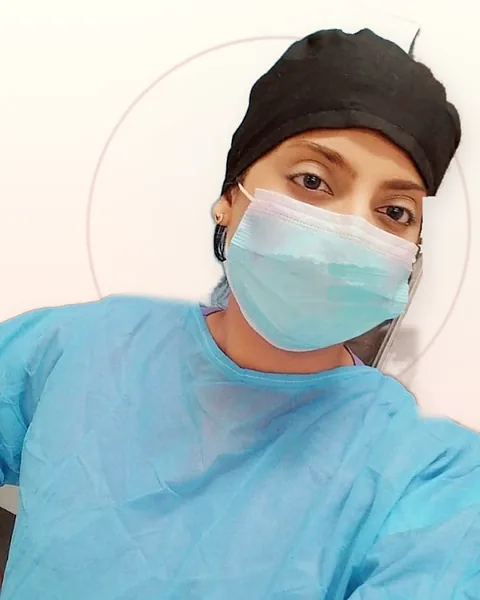
Dr. Ayesha Jawed, MBBS, training in Obstetrics and Gynaecology (CPSP)
PMDC 113388-P. PMDC lists her as Ayesha Javaid. How to check a doctor's registration.
Rs 499per consult, up to 1 hour
Pay by JazzCash, Easypaisa or bank transfer. See fees and payment.
Something else on your mind? WhatsApp +92 334 2382368, Monday to Saturday, 9 am to 9 pm.
Don't count on it. The NHS says untreated chlamydia or gonorrhoea can spread to the womb, tubes and ovaries, and many STIs cause no symptoms at all. Thrush usually clears within 7 to 14 days of the right treatment, so it's safer to find the cause than to wait.
Not always. The NHS says thrush and bacterial vaginosis aren't classed as STIs, although sex can trigger them. Trichomoniasis, chlamydia, gonorrhoea and genital herpes are passed on during sex.
It depends on the cause. Antibiotics treat BV, trichomoniasis, chlamydia and gonorrhoea, but not thrush, and the NHS says taking antibiotics can make thrush more likely. Please don't start one without a diagnosis.
NHS ke mutabiq khujli, jalan, discharge ke rang, badboo ya gaarhay pan mein tabdeeli, aur peshab ya sex mein dard. Periods ke darmiyan ya sex ke baad bleeding bhi nishani hai. Kuch infections mein koi alamat nahi hoti.
Sirf tab jab doctor pehle thrush diagnose kar chuka ho aur alamat wahi hon, NHS kehta hai. Pehli dafa, pregnancy mein, ya 6 mahine mein do baar se zyada ho to doctor se poochein.
Jab pehli dafa ho, pregnancy mein ho, bukhar ya pait ke neeche dard ho, bleeding ho, ya ilaj se faida na ho. Shadeed dard ya tez bleeding mein foran qareebi hospital emergency jayein ya Edhi 115 par call karein.
Online Dr. Ayesha alamat sunti hain, test batati hain aur report dekhti hain. Aap report ki saaf photos WhatsApp par bhej sakti hain. Jab online mehfooz ho, woh prescription bhej sakti hain. Swab ya internal exam online nahi hota, us ke liye lab ya hospital jana hoga.
GuideWhite discharge (safaid pani, likoria): the reasons, what's normal before a period or in pregnancy, signs of infection, when to see a doctor.
 Guide
What Causes a UTI in Women? Symptoms, Testing and When to See a Doctor
What causes a UTI in women: bowel bacteria, symptoms, bladder vs kidney infection, urine culture, safe treatment and when to see a doctor.
 Guide
Pelvic Inflammatory Disease (PID)
PID symptoms, causes beyond sex, tests, antibiotics and the fertility risk, plus the signs that need a hospital now.
Awaiting medical review by Dr. Ayesha Jawed. Written from the sources listed here. General information, not a diagnosis.
Last updated 19 November 2026
Dr. Ayesha JawedMBBS, training in Obstetrics and Gynaecology (CPSP)
Online consult, Rs 499, up to 1 hour. Private, from home, anywhere in Pakistan. Fill in two short steps and WhatsApp opens with your details ready.
Book your consult
Rs 499, up to 1 hour with Dr. Ayesha. Two quick steps.
In an emergency, go to the nearest hospital or call Edhi 115.
This page is coming soon.