 Service
Normal delivery explained: who can try it, the stages of labour, pain relief, tears and when a C-section is needed.

Online consult across Pakistan
How many check-ups you need, what each one checks, the danger signs, and how an online consult helps between hospital visits.
Book an online consult
Rs 499, up to 1 hour with Dr. Ayesha. Two quick steps.
Time with a female doctor
Up to 1 hour with Dr. Ayesha, by video, phone or WhatsApp.
Your reports reviewed
Share past tests, scans or prescriptions, and she'll go through them with you.
A clear plan
What to do next, and which tests may help.
A prescription when it's safe
If you need to be seen in person, she'll tell you plainly.
Quick answer
Antenatal care is the series of pregnancy check-ups that tracks your health and your baby's growth. The World Health Organization (WHO) recommends at least 8 contacts, the first in the first 12 weeks. Dr. Ayesha Jawed gives online consults for questions and report reviews; check-ups, scans and delivery happen at a hospital.
Antenatal care is the set of regular pregnancy check-ups where a doctor, midwife or lady health visitor checks your health and watches your baby's growth. It finds problems early, before they become dangerous.
People also call it prenatal care, pregnancy care or ANC. In Roman Urdu, it's simply hamal ke dauran checkup.
The World Health Organization (WHO) recommends at least 8 antenatal contacts, with the first one in the first 12 weeks. A routine check looks at:
The WHO recommends at least 8 antenatal contacts: the first by 12 weeks, then others at 20, 26, 30, 34, 36, 38 and 40 weeks. Your own doctor sets your exact plan.
| Contact | Week of pregnancy (WHO) | What usually happens (NHS schedule, UK) |
|---|---|---|
| 1 | Up to 12 weeks | First (booking) visit at 8 to 12 weeks: health history, blood pressure, urine test, blood group test. The dating scan is offered at 11 to 14 weeks. |
| 2 | 20 weeks | The second scan is offered at 18 to 21 weeks. |
| 3 | 26 weeks | Blood pressure, urine and bump size. Diabetes testing at 24 to 28 weeks if you're at higher risk. |
| 4 | 30 weeks | The same checks, plus an NHS blood test at 28 weeks for iron and blood group. |
| 5 | 34 weeks | Blood pressure, urine and bump size. |
| 6 | 36 weeks | The midwife feels your bump to check the baby's position. |
| 7 | 38 weeks | The same checks, plus the baby's position. |
| 8 | 40 weeks | The same checks as at 38 weeks. |
The WHO weeks and the NHS visits don't match one for one, so read the right column as examples. The NHS in the UK offers at least 10 appointments and 2 scans for a first baby. If you've given birth before, it's at least 7 appointments. That's UK practice, not a Pakistani rule.
In Pakistan, nearly 9 in 10 women get antenatal care from a skilled provider. But only about half make 4 or more visits, according to the Demographic and Health Survey 2017-18 as reported by UNFPA Pakistan. That was up from 37% in 2012-13.
Aap ke hafton ke hisaab se agla checkup kab hai? Not sure which visit you're due for? Message Dr. Ayesha your weeks and the date of your last period. You can also count your weeks with the pregnancy calculator.
Most pregnancies have blood pressure and urine checks, blood tests including your blood group, two main ultrasound scans and, for some women, a diabetes test.
The full list, trimester by trimester, is in our guide to tests during pregnancy.
Rh negative means your blood lacks the rhesus (Rh) factor, and if your baby is Rh positive, your body can make antibodies against baby's blood. An injection can prevent this.
The NHS says your blood group is checked at the first antenatal visit, between 8 and 12 weeks. If you're negative and the baby is likely to be positive, you'll be offered an injection called anti-D to stop antibodies forming. MedlinePlus, from the US National Library of Medicine, says these injections prevent antibodies against Rh-positive blood.
Your doctor decides the timing, and the injection is given in person, not online. MedlinePlus says it may also be needed after a miscarriage or an injury to the tummy, so tell the hospital you're Rh negative.
At your first visit, 8 to 12 weeks in, you're asked about your health and medicines, and blood pressure, urine and blood group are checked. You'll also be asked about past pregnancies and family history.
The NHS says this visit can take about 1 hour.
You'll also hear about screening tests and your options for the birth. Any physical examination happens in person, and only with your consent. You can ask for a female doctor or a female attendant to be with you.
If you're married to a cousin, read cousin marriage and pregnancy before the visit. If you're over 35, our guide to pregnancy after 35 lists the questions worth asking.
Go now to the nearest hospital emergency or call Edhi 115 for heavy bleeding, severe tummy pain, severe headache, a fit or fewer baby movements. Leaking fluid is also urgent.
Take your reports with you and have someone go with you. Don't wait for an online reply or a WhatsApp answer in an emergency. Afterwards, an online consult can go through what happened, but it never replaces emergency care.
Each guide below answers one pregnancy question in detail, from the first test to the last weeks, so pick the group that matches your question.
Our guide to pregnancy symptoms explains the first changes and when they usually start. The home pregnancy test guide covers when to test and how to read the result. If you're being sick, vomiting in pregnancy shows when nausea is normal and when it needs a doctor.
The preconception check-up guide lists the tests and vitamins to sort out before you try. Couples who are cousins, or from families with thalassaemia, should read thalassaemia testing and cousin marriage risks.
The pregnancy tests and scans guide goes through every blood test and scan by trimester. Hepatitis B and C in pregnancy explains the screening and how your baby is protected after birth.
The pregnancy diet chart uses everyday Pakistani food, month by month. Low Hb in pregnancy covers iron-rich desi food and when you need treatment. Depression during pregnancy explains the signs and where to get help.
Two infections need a doctor quickly in pregnancy: dengue in pregnancy and typhoid in pregnancy, which also covers drug-resistant typhoid. The baby kicks guide explains when to worry.
For summer heat and power cuts, read pregnancy in a Karachi heatwave. Before Ramadan, read roza during pregnancy and ask your doctor. Pregnancy myths in Pakistan checks family beliefs against evidence. Government hospitals in Karachi lists where you can ask about antenatal care and delivery.
No, Dr. Ayesha Jawed doesn't deliver babies, do C-sections or examine patients in person, so you'll book your check-ups and delivery at a hospital instead. The hospital has its own team.
What she does is help you between those visits. She's an MBBS doctor and a postgraduate trainee in Obstetrics and Gynaecology (CPSP), and she gives online consults by video, call or WhatsApp. She can explain your reports, help you plan which tests to ask for, and help you prepare questions for your hospital.
To plan the birth, read about normal delivery and C-section delivery, and compare delivery charges in Karachi. Read more about Dr. Ayesha Jawed.
An online consult covers your questions, reports, scan results, test plan and follow-up, but blood pressure checks, scans, blood tests and examinations need a hospital. Bump measurement is in person too.
She reviews your reports, and you can share clear photos of them on WhatsApp. She can send a prescription when it's safe to do so online.
| Online with Dr. Ayesha | In person at a hospital or lab |
|---|---|
| Go through your weeks and your symptoms | Blood pressure and urine checks |
| Explain your blood test and scan reports | Ultrasound scans and blood tests |
| Plan which tests to ask for, and when | Bump measurement and the baby's heartbeat |
| Give advice and send a prescription when it's safe to do so online | Any physical examination, injections such as anti-D |
| Follow up after your hospital visit | Emergencies and the delivery itself |
You don't travel for the consult. If you need an examination, she'll tell you where to go.
WhatsApp +92 334 2382368, choose a time Monday to Saturday, 9 am to 9 pm, then talk for up to 1 hour for Rs 499. You talk to Dr. Ayesha by video, call or WhatsApp.
She works with women in Karachi and every city in Pakistan. Your husband or mother can sit with you on the call if you'd like. See the consult fee details, read how online consults work, or book an appointment now. All our women's health services are on the services page.
Four simple steps from your first message to your plan. It's the same for every topic.
Message on WhatsApp
Send a message to +92 334 2382368, or use the form on this page.
Pick a time
Choose a time from Monday to Saturday, 9 am to 9 pm.
Talk by video, phone or WhatsApp
Talk to Dr. Ayesha for up to 1 hour, in the way that suits you.
Get your plan
Leave with clear next steps, and a prescription when it's safe.
She reviews reports you share.
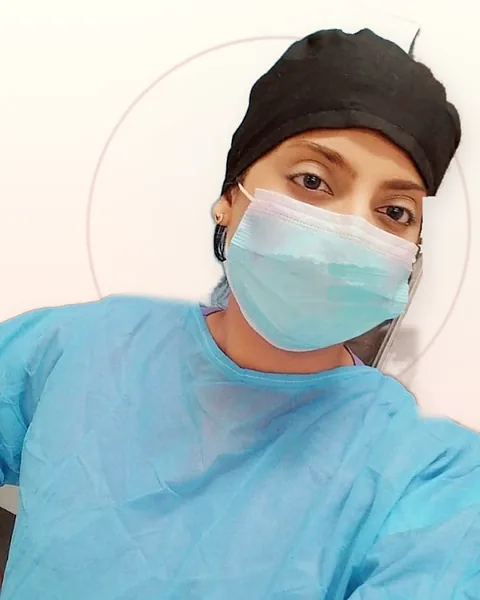
Dr. Ayesha Jawed, MBBS, training in Obstetrics and Gynaecology (CPSP)
PMDC 113388-P. PMDC lists her as Ayesha Javaid. How to check a doctor's registration.
Rs 499per consult, up to 1 hour
Pay by JazzCash, Easypaisa or bank transfer. See fees and payment.
Something else on your mind? WhatsApp +92 334 2382368, Monday to Saturday, 9 am to 9 pm.
Book as soon as you know you're pregnant. The WHO recommends the first contact in the first 12 weeks, and the NHS holds its first visit at 8 to 12 weeks.
The WHO recommends at least 8 contacts. The NHS in the UK offers at least 10 appointments for a first baby and at least 7 after a previous birth.
Yes. The NHS says early signs of pre-eclampsia, high blood pressure and protein in the urine, usually don't cause symptoms you'd notice. They're found at routine checks, so keep your visits even when you feel well.
Dr. Ayesha is a lady doctor, and her online consults are with her. At the hospital, you can ask for a female doctor or a female attendant for any examination.
Jaise hi test positive aaye, booking kar lein. WHO ke mutabiq pehla checkup pehle 12 hafton mein hona chahiye. Apni aakhri period ki date aur purani reports saath le jayen.
Har visit par BP aur peshab ka test hota hai. Pehli visit par blood group ka test hota hai, phir Hb aur do ultrasound scan. Zaroorat ho to 24 se 28 hafte par sugar ka test hota hai.
Ji haan, video ya phone call par woh aap ke saath baith sakte hain. Hospital mein muayna sirf aap ki ijazat se hota hai, aur aap female attendant ke liye keh sakti hain.
Ji haan, reports, scan ke results aur sawalaat online ho sakte hain, Rs 499 mein ek ghante tak. BP, scan, blood test aur delivery ke liye hospital jana zaroori hai. Emergency mein foran hospital jayen ya Edhi 115 par call karein.
ServiceNormal delivery explained: who can try it, the stages of labour, pain relief, tears and when a C-section is needed.
 Service
C section delivery: why it's done, planned or emergency, anaesthesia, risks and Pakistan's rising rates.
 Service
Postnatal care in Karachi: how long bleeding lasts after delivery, warning signs, the 6-week check-up, and an online consult with a lady doctor for Rs 499.
 Pregnancy
Heat can make you dehydrated and overheated faster when you're pregnant. Here's how to drink enough, stay cool in a power cut, and know when to go to hospital.
 Pregnancy
A medical guide to roza in pregnancy: what the research shows, who is advised not to fast, and when to break the fast.
 Pregnancy
A low Hb on your report doesn't mean something is wrong with you. Here's what the number means, why it's common in Pakistan, and which desi foods help.
 Pregnancy
A simple pregnancy diet chart built from roti, daal, sabzi, dahi and fruit, with the foods to avoid and when food alone isn't enough.
 Pregnancy
Most pregnancy sickness is mild and passes. Here's what's normal, what helps at home, and the signs that mean you need a doctor today.
 Pregnancy
Ghee, papaya, eclipses and bump shape: what the sources say about each belief, and where nobody has checked.
 Pregnancy
Feeling low or anxious in pregnancy is common and treatable. Here are the signs, how common it is in Pakistan, and where to get help.
 Pregnancy
Dengue needs a doctor in pregnancy, not home treatment. Here are the warning signs, the medicines to avoid and how to cut mosquito bites at home in Karachi.
 Infections
Some typhoid in Sindh resists common antibiotics. Here's what that means in pregnancy, when to go to hospital, and how to keep your water safe.
 Pregnancy
Hepatitis B in pregnancy can feel scary, but screening and a vaccine at birth protect your baby. Here are the tests, the facts and what to ask your doctor.
 Pregnancy
The early signs of pregnancy, which ones are not proof, when to take a test and which signs mean you need a doctor now.
 Pregnancy
When to test, how to use a strip or kit, what a faint line or a negative result means, and when you need a blood test.
 Pregnancy
A simple checklist of the scans and blood tests in pregnancy, when each is done and what it is for.
 Pregnancy
What each scan can show from 5 weeks on, why a repeat is sometimes needed, and which symptoms need a hospital now.
 Pregnancy
Planning a baby? Here's what to check, test and ask your doctor before you try, from folic acid to blood tests.
 Pregnancy
A simple blood test can show if you carry thalassaemia. Here's who should have it, which test to ask for, and what to do next.
 Pregnancy
Most babies of cousin parents are healthy. Here are the real numbers, the tests that help, and how to plan your pregnancy.
 Pregnancy
Many women plan a baby after 35. Here are the real numbers, the checks to ask about and how to plan, without the fear.
 Delivery and after
Which hospitals list maternity services, what the official pages say about cost, and what to ask before labour starts.
 Pregnancy
Baby moving less than usual? Call your doctor or go to hospital now. Here is when movements start, what is normal and what to do at night in Karachi.
Awaiting medical review by Dr. Ayesha Jawed. Written from the sources listed here. General information, not a diagnosis.
Last updated 19 November 2026
Dr. Ayesha JawedMBBS, training in Obstetrics and Gynaecology (CPSP)
Online consult, Rs 499, up to 1 hour. Private, from home, anywhere in Pakistan. Fill in two short steps and WhatsApp opens with your details ready.
Book your consult
Rs 499, up to 1 hour with Dr. Ayesha. Two quick steps.
In an emergency, go to the nearest hospital or call Edhi 115.
This page is coming soon.